How to Build Habits That Actually Last
Building a new habit often feels exciting in the beginning.
You buy a new notebook, sign up for a gym membership, download a productivity app, or promise yourself that this time things will be different. For a few days—or even a few weeks—you stay motivated. Then life gets busy, your routine changes, and the habit slowly disappears.
If this sounds familiar, you’re not alone.
The problem usually isn’t a lack of discipline. More often, it’s that we’re trying to build habits in ways that aren’t sustainable. Lasting habits aren’t created through bursts of motivation. They’re built through routines that fit naturally into everyday life.
Start smaller than you think you need to
One of the biggest mistakes people make is trying to change too much at once.
It’s tempting to decide that starting Monday you’ll exercise every day, cook every meal at home, read a book each week, meditate for 30 minutes, and wake up an hour earlier. While those goals sound inspiring, they’re also difficult to maintain when life becomes busy.
A better approach is to make the habit so small that it’s difficult to skip.
Instead of aiming for an hour at the gym, start with a 15-minute workout. Instead of reading an entire chapter, read five pages. Instead of trying to meditate for half an hour, begin with five minutes.
Small habits don’t feel impressive at first, but they remove the biggest obstacle to consistency: getting started. Once a habit becomes part of your routine, it’s much easier to build on it over time.
Attach new habits to existing routines
One reason some habits stick while others disappear is that successful habits are often connected to things we already do automatically.
Think about your daily routine. You probably brush your teeth, make coffee, eat breakfast, or lock your front door without thinking much about it. These habits are already established, which makes them the perfect anchor for something new.
If you’d like to take vitamins, do it after brushing your teeth. If you want to stretch more, spend five minutes stretching while your coffee brews. If reading is your goal, leave a book on your bedside table and read for a few minutes before turning off the lights.
By attaching a new habit to an existing one, you reduce the amount of mental effort required to remember it.
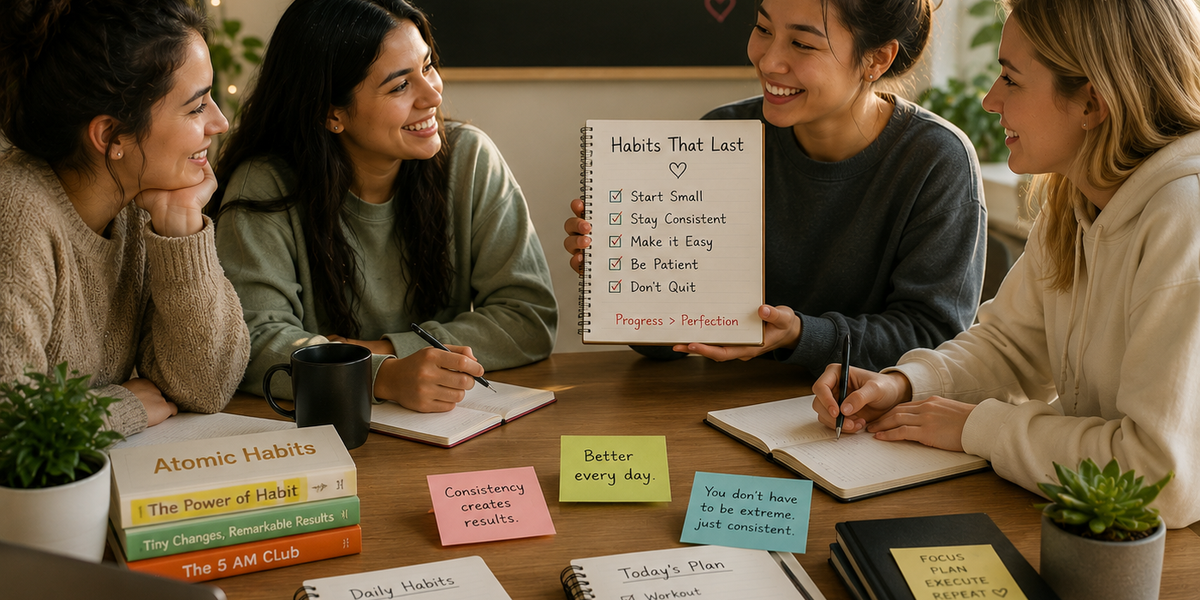
Focus on consistency instead of perfection
Many people abandon good habits because they believe one missed day means they’ve failed.
You miss one workout and decide the week is ruined. You skip reading for two evenings and assume you’ve fallen out of the habit. You eat one unhealthy meal and tell yourself you’ll start again next month.
But habits aren’t built through perfection.
They’re built through repetition.
Missing a day isn’t what breaks a habit. Giving up completely usually is.
The people who maintain healthy routines over the long term aren’t those who never miss a day. They’re the ones who return without turning a small interruption into a reason to quit.
Consistency doesn’t mean being perfect. It means coming back, again and again.
Make the habit easy to maintain
Willpower is helpful, but it’s not something you can rely on every day.
Some mornings you’ll feel motivated. Other days you’ll be tired, stressed, or distracted. That’s why it’s important to make good habits as easy as possible.
If you want to exercise before work, prepare your clothes the night before. If you’re trying to eat healthier, keep nutritious snacks where you can easily reach them. If you want to spend less time on your phone, leave it in another room while you’re reading or working.
Your environment influences your behavior more than you might realize. When the right choice becomes the easiest choice, habits require much less effort to maintain.
Don’t rely on motivation alone
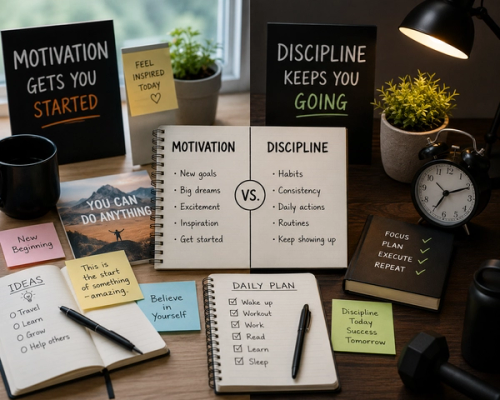
Motivation is a wonderful way to begin something, but it’s rarely enough to keep it going.
The people who stick with their habits aren’t always the most motivated. They’re often the ones who have built routines that continue even on days when they don’t feel like it.
Instead of asking yourself every morning whether you feel motivated enough to exercise, decide that movement is simply part of your schedule. Instead of waiting for inspiration to write, choose a regular time to sit down and begin.
When habits become part of your identity rather than something you negotiate with yourself every day, they become much easier to sustain.
Celebrate progress you can’t always see
Many worthwhile habits don’t produce immediate results.
You won’t become fit after one workout or financially secure after saving money once. Reading for ten minutes today won’t instantly make you an expert, and eating one healthy meal won’t transform your health overnight.
This is where many people lose patience.
The real power of habits lies in what they create over time. Every small action is like placing another brick. On its own, it doesn’t seem significant. But after weeks, months, and years, those bricks become something much bigger.
The changes happen gradually, often so slowly that you barely notice them until you look back and realize how far you’ve come.
Lasting change comes from ordinary days
We often imagine that changing our lives requires one dramatic decision.
In reality, it’s usually the ordinary days that matter most.
The days when you’re tired but still go for a walk.
The evenings when you read a few pages instead of scrolling on your phone.
The mornings when you choose to prepare for the day instead of rushing through it.
Those moments rarely feel extraordinary, yet they’re the ones that shape your future.
The habits that actually last aren’t the most ambitious ones.
They’re the ones that fit your life, survive your busiest weeks, and quietly become part of who you are.
Because in the end, a better life isn’t built through occasional bursts of motivation.
It’s built through small actions repeated often enough that they eventually become second nature.