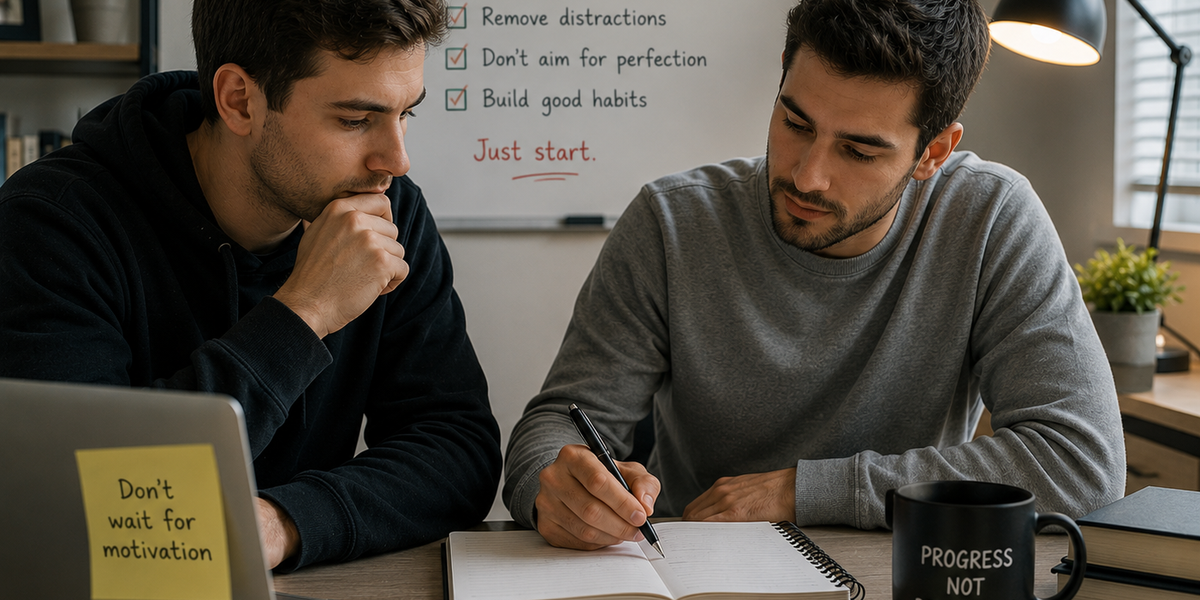
How to Stop Procrastinating (Backed by Psychology)
Everyone procrastinates.
Whether it’s replying to an important email, starting a work project, studying for an exam, or finally organizing the spare room, most of us have experienced the strange habit of putting off the very things we know we should do.
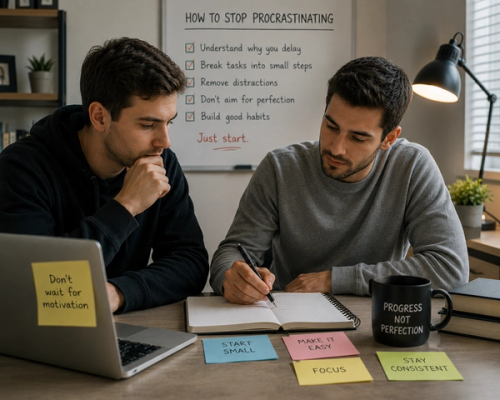
It’s easy to assume procrastination is simply laziness or poor time management. Psychologists have found that it’s often something quite different. In many cases, procrastination is an emotional response rather than a productivity problem. We delay tasks because they feel overwhelming, boring, uncertain, or uncomfortable—not because we don’t know they need to be done. Understanding why we procrastinate is the first step toward overcoming it.
Stop waiting to feel motivated
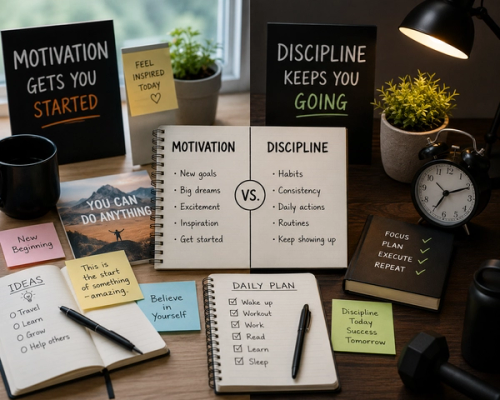
One of the biggest myths about productivity is that action comes after motivation. In reality, it’s often the other way around. Many people wait until they “feel like it” before beginning a task, but that perfect moment rarely arrives.
Psychology suggests that taking even a small first step can create momentum. Once we begin, the task often feels much less intimidating than it did in our minds. Instead of telling yourself you’ll work for three hours, commit to just five or ten minutes. Open the document, write one paragraph, reply to one email, or clean one shelf. Starting is usually the hardest part, and once you’re moving, motivation often begins to follow.
Make big tasks feel smaller
Our brains naturally avoid things that seem overwhelming. If a project feels enormous, it’s easy to keep pushing it into tomorrow because the whole task feels too difficult to tackle.
One of the most effective ways to reduce procrastination is to break large projects into smaller, clearly defined actions. Instead of writing “Finish presentation” on your to-do list, break it down into manageable steps such as researching the topic, creating an outline, designing the first few slides, and reviewing the final version. Each completed step creates a sense of progress that makes the next one feel easier to begin. The goal is to make the task look approachable instead of intimidating.
Accept that it doesn’t have to be perfect
Perfectionism is one of procrastination’s closest companions. When we believe something has to be done perfectly, starting becomes much more difficult. We worry that the result won’t be good enough, so we postpone the work altogether.
Ironically, waiting rarely improves the outcome. A first draft is supposed to be imperfect. A presentation can be edited, an essay can be revised, and a design can always be improved. Something completed imperfectly is almost always more valuable than something perfect that never gets started. Progress creates opportunities for improvement, while waiting for perfection usually creates delays.
Remove unnecessary distractions
Procrastination becomes much easier when distractions are always within reach. A quick look at your phone can easily turn into twenty minutes on social media, and a single notification can interrupt your concentration long enough to lose your train of thought.
Creating a focused environment doesn’t require extraordinary discipline. Often, it simply means making distractions slightly less convenient. Put your phone in another room, close unnecessary browser tabs, silence notifications for a while, or choose a workspace where you’re less likely to be interrupted. The easier it is to focus, the less energy you’ll spend resisting distractions throughout the day.
Be kinder to yourself when you fall behind
Many people believe that being hard on themselves will make them more productive. Research suggests the opposite is often true. When we procrastinate, we tend to criticize ourselves with thoughts like, “Why am I always like this?” or “I’m so lazy.” Unfortunately, these thoughts usually increase stress and make the task feel even more emotionally difficult.
Self-compassion doesn’t mean avoiding responsibility or making excuses. It means acknowledging that everyone procrastinates sometimes and choosing to move forward instead of getting stuck in guilt. Treat yourself the way you would encourage a friend in the same situation. That mindset makes it much easier to begin again instead of giving up completely.
Build systems instead of relying on willpower
Willpower is unpredictable. Some days you’ll feel motivated, while other days you won’t. That’s why the most productive people rely less on motivation and more on routines that make taking action almost automatic.
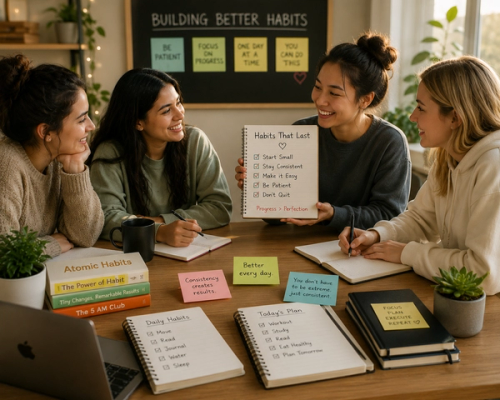
They work at similar times each day, schedule important tasks instead of waiting for inspiration, prepare their workspace in advance, and create habits that reduce the number of decisions they need to make. When good systems are in place, productivity becomes less about forcing yourself to work and more about following routines that naturally support consistency.
Action is the best antidote to procrastination
There isn’t a secret trick that eliminates procrastination forever. Everyone delays difficult tasks from time to time. The difference is that people who procrastinate less have learned not to wait until they feel perfectly ready. They understand that discomfort is often part of beginning something worthwhile.
The first few minutes may still feel difficult. The task may still seem boring, and you may still wish you were doing something else. But once you take that first step, you’ve already overcome the hardest part. Progress doesn’t come from waiting for the perfect mood or the perfect moment. It comes from choosing to begin—even when you don’t feel like it. More often than not, that simple decision is exactly what gets the work done.