Career
How to Ask for a Raise (And Actually Get It)


Life is shaped by decisions. Some are small, like what to eat for dinner or which route to take home. Others carry much more weight—choosing a career, accepting a new job, ending a relationship, moving to another city, or deciding whether it’s the right time to start something new.
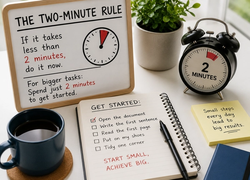
Procrastination rarely begins with a big decision. More often, it starts with a small thought: “I’ll do it later.” “I’ll start after lunch.” “I’ll wait until I have more energy.” Before you know it, hours—or even days—have passed, and the task you meant to do still hasn’t been started. One surprisingly effective way to break this cycle is something known as the Two-Minute Rule. It’s a simple idea that removes one of the biggest obstacles to getting things done: the pressure of getting started. While it won’t magically eliminate procrastination forever, it can make beginning a task feel much less intimidating.

Many people say they wish they read more. They buy books with the best intentions, save recommendations from friends, and imagine themselves spending quiet evenings getting lost in a great story. Then life gets busy. Work, family responsibilities, endless notifications, and streaming services compete for attention, and the books slowly begin collecting dust on the shelf.

We’ve all met someone who seems calm no matter what’s happening around them. They stay composed during stressful meetings. They don’t panic when plans suddenly change. They handle setbacks without immediately assuming the worst, and somehow they make difficult situations feel a little less overwhelming for everyone else.
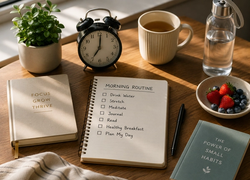
Morning routines have become a trend of their own. Wake up at 5 a.m. Drink lemon water. Journal. Meditate. Exercise. Read ten pages of a book. Take a cold shower. Eat a perfectly balanced breakfast. Answer emails before most people are even awake.

Sundays have a strange reputation. For some people, they’re a chance to rest. For others, they’re overshadowed by the thought of Monday morning. Somewhere between finishing household chores, catching up on errands, and mentally preparing for the week ahead, the entire day can disappear without feeling particularly restful or productive.

We’re naturally drawn to big transformations. A new job, a major move, an ambitious fitness challenge, or a complete lifestyle reset often feels like the kind of change that will finally improve our lives. We imagine that one dramatic decision will make everything easier, happier, or more fulfilling.

Living below your means doesn’t have the best reputation. For many people, it sounds like constantly saying no, cutting out everything enjoyable, or living with unnecessary restrictions just to save money. It’s often associated with sacrifice rather than freedom.

For such a small word, “no” can feel surprisingly difficult to say. Many of us worry that turning down an invitation will hurt someone’s feelings, refusing extra work will make us look unhelpful, or setting a boundary will disappoint people we care about. As a result, we end up saying yes to plans we don’t have time for, projects we don’t have the capacity to take on, and commitments that leave us feeling overwhelmed and exhausted.

Most people know that looking at their phone before bed probably isn’t the best habit. Yet for many of us, it’s become part of the nightly routine. We reply to a few messages, check social media one last time, watch a couple of videos, or scroll through the news before turning off the lights. What starts as “just five minutes” often turns into half an hour or more.

People often use the words stress and anxiety as if they mean the same thing. After a difficult week at work, we might say we’re anxious when we’re actually stressed. Before an important presentation or exam, we describe ourselves as anxious because we feel nervous about what’s coming. While the two experiences can feel very similar, they aren’t exactly the same.

For many people, the hardest part of exercising isn’t knowing that it’s good for them. It’s finding a way to stay consistent. Gym memberships are purchased with the best intentions, workout plans begin on Monday, and ambitious fitness goals feel exciting for the first few weeks. Then work gets busy, motivation fades, life gets in the way, and the routine slowly disappears.