
How to Build a Movement Practice You’ll Actually Keep
For many people, the hardest part of exercising isn’t knowing that it’s good for them.
It’s finding a way to stay consistent.
Gym memberships are purchased with the best intentions, workout plans begin on Monday, and ambitious fitness goals feel exciting for the first few weeks. Then work gets busy, motivation fades, life gets in the way, and the routine slowly disappears.
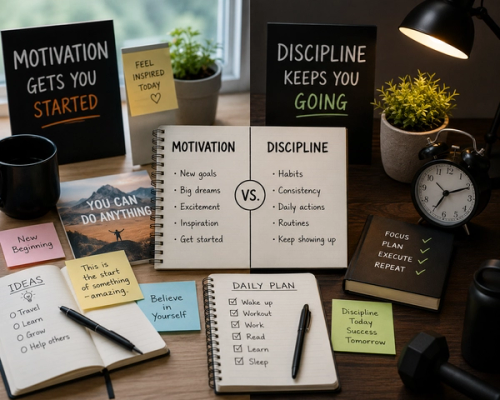
The problem usually isn’t a lack of discipline. More often, it’s that people try to build an exercise routine that doesn’t fit their everyday lives. The most effective movement practice isn’t necessarily the most intense one. It’s the one you can realistically maintain for months and years—not just for a few weeks.
Choose movement you actually enjoy
One of the biggest reasons people give up on exercise is that they force themselves to do activities they simply don’t enjoy.
If you dislike running, you don’t have to become a runner to be healthy. If crowded gyms make you uncomfortable, there’s no rule saying you need a gym membership.
Movement comes in many forms. Walking, cycling, swimming, yoga, dancing, hiking, strength training, pilates, tennis, or even gardening all count as physical activity. The best form of exercise is often the one you genuinely look forward to because enjoyment makes consistency much easier.
Instead of asking yourself what burns the most calories, ask yourself what kind of movement you’d actually be happy to do again next week.
Start smaller than you think you need to
Many people believe they need to work out for an hour every day before it “counts.” That mindset often leads to doing too much too soon and eventually giving up altogether.
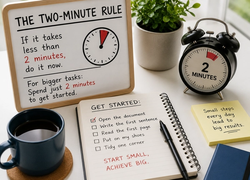
Instead, lower the barrier to getting started. Commit to a twenty-minute walk, a short yoga session, or a quick strength workout at home. Even ten or fifteen minutes of movement is far more valuable than doing nothing because you don’t have time for a full workout.
Small, consistent sessions build confidence and create habits that are much easier to maintain than ambitious routines that rely entirely on motivation.
Make movement part of your routine
The people who exercise consistently aren’t always the most motivated. More often, they’ve simply made movement part of their daily routine.
Instead of deciding every day whether they feel like exercising, they’ve already chosen when it will happen.
You might go for a walk every morning before work, attend a fitness class every Tuesday evening, or stretch for ten minutes before bed. By connecting movement to an existing part of your schedule, it becomes something you simply do rather than another decision you have to make.
The fewer decisions required, the easier it becomes to stay consistent.
Stop thinking that every workout has to be perfect
One missed workout doesn’t erase months of progress.
Neither does a shorter workout, a slower run, or a walk instead of a gym session.
Many people abandon healthy routines because they believe consistency means perfection. They miss a few days and decide they’ve failed, making it even harder to begin again.
In reality, lasting fitness is built through flexibility. Some weeks you’ll have time for longer workouts. Other weeks you’ll only manage a quick walk between meetings.
Both count.
The goal isn’t to have the perfect exercise routine. The goal is to keep moving, even when life isn’t ideal.
Focus on how movement makes you feel
Weight loss is often the main reason people begin exercising, but it’s far from the only benefit.
Regular movement can improve energy levels, reduce stress, strengthen muscles and bones, support heart health, improve sleep, and boost mood. Many people notice these changes long before they see physical changes in the mirror.
Paying attention to how exercise makes you feel can be much more motivating than focusing only on appearance. When movement becomes something that helps you feel stronger, calmer, and more energized, it’s much easier to see it as an investment in your well-being rather than a punishment for what you ate.
Make it easy to succeed
Sometimes consistency has less to do with motivation and more to do with preparation.
Lay out your workout clothes the night before. Keep comfortable walking shoes by the door. Choose a gym that’s close to your home or workplace. Save a few workout videos you enjoy for busy days when you can’t leave the house.
These small adjustments reduce friction and make it easier to follow through on your plans. The easier movement fits into your daily life, the less likely you are to skip it when life gets hectic.
Think long term, not just this month
It’s easy to become motivated by short-term goals such as fitting into a particular outfit or preparing for a holiday. While those goals can provide a helpful starting point, they’re rarely enough to keep you active for years.
Instead, think about the kind of person you want to become.
Someone who enjoys walking every morning.
Someone who stays strong as they get older.
Someone who has the energy to play with their children, travel, hike, or simply move through everyday life with confidence.
That perspective shifts the focus away from quick results and toward building a healthy lifestyle that lasts.
The best exercise routine is the one you keep
There’s no perfect workout plan that works for everyone.
Some people thrive in the gym, while others prefer long walks, dance classes, swimming, or weekend hikes. What matters isn’t following someone else’s routine—it’s finding one that fits your life, your schedule, and your personality.
Movement doesn’t need to be extreme to be effective. It simply needs to happen consistently.
The healthiest people aren’t usually the ones who exercise the hardest for a few weeks. They’re the ones who keep showing up, year after year, because they’ve built a routine they genuinely enjoy and can realistically maintain.